The Team
Specialists in computer vision and deep learning, united by the ambition to translate this expertise into real impact on preclinical drug development.
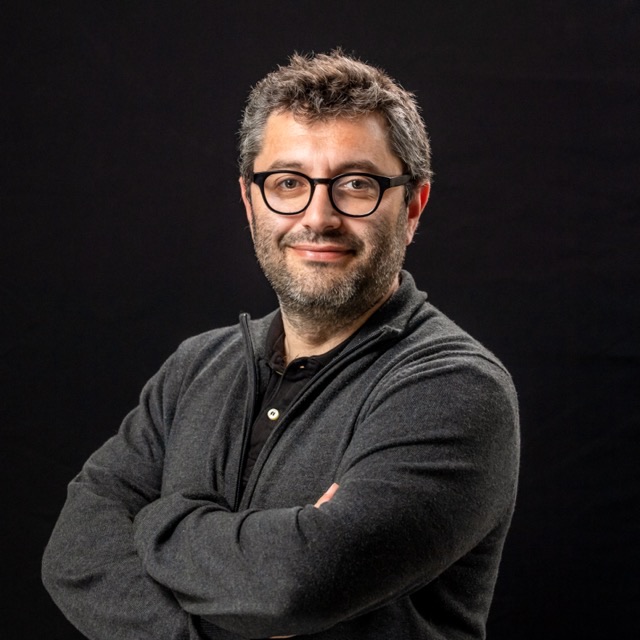
Prof. Evangelos Kanoulas
Professor of Artificial Intelligence at the University of Amsterdam, leading research at the intersection of machine learning and information systems. Sets BioSemia's scientific direction and brings a long track record of translating academic AI into systems that ship.
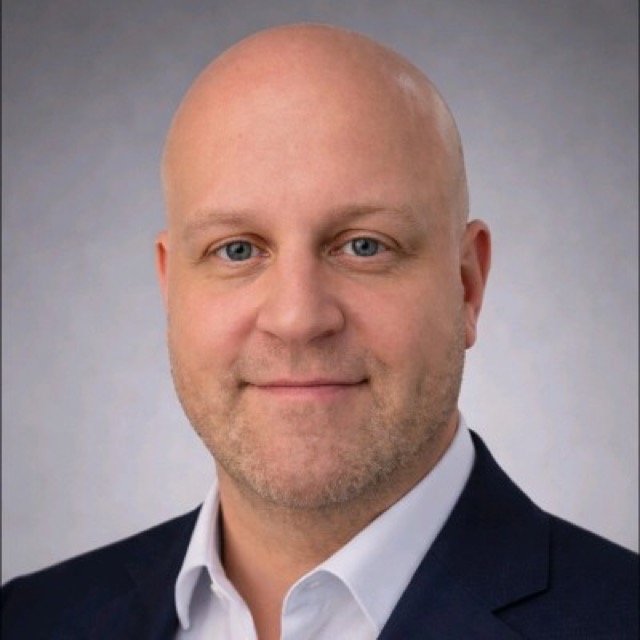
Dr. Wouter Pos
Former Director of Antibody Technologies at VectorY, with extensive experience in immunostaining reagent development and assay design for neuroscience research. Advises BioSemia on the underlying biology, helping ensure the models reflect how these assays are actually used in the lab.
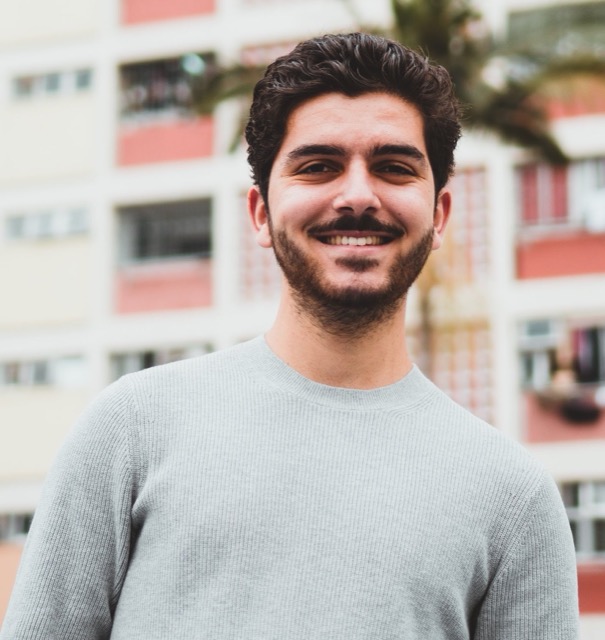
Dr. Ozzy Ulger
PhD in computer vision from the University of Amsterdam, with prior work on open-ended visual scene understanding in dynamic scenes. Leads engineering across BioSemia's models, turning research-grade systems into pipelines that hold up on real microscopy data.
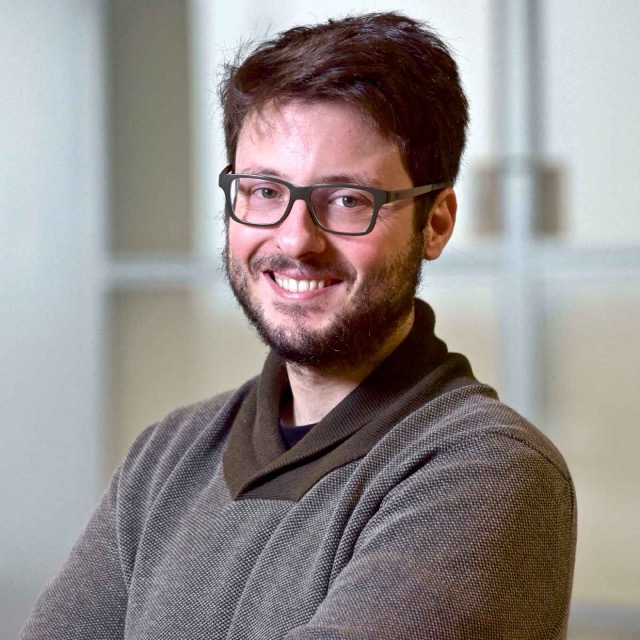
Dr. Stratis Gavves
Associate Professor of Computer Vision at the University of Amsterdam and a leading researcher in deep learning, dynamic vision, and generative AI. Previously co-founded a medical-AI venture in pathology, and now advises on the methodology behind BioSemia's prediction and tracking models.